Blog

  • How to Extend the Life of Your Diesel Engine with Preventative Maintenance

    How to Extend the Life of Your Diesel Engine with Preventative Maintenance

    How to Extend the Life of Your Diesel Engine with Preventative Maintenance

    A diesel engine is the core of your boat. Regular preventative maintenance keeps it running efficiently, reduces wear, and helps avoid costly breakdowns. Small checks done consistently can make a significant difference in engine lifespan.

    Explore all maintenance parts here: maintenance parts for marine engines .

    Why Preventative Maintenance Matters

    Waiting until problems appear often leads to more expensive repairs. Issues like overheating, power loss or excessive smoke usually indicate that wear or damage has already started.

    Routine maintenance allows you to detect problems early and maintain reliable engine performance.

    Key Benefits

    • Stable engine performance
    • Lower long-term repair costs
    • Extended engine lifespan
    • Improved fuel efficiency
    • Reduced risk of breakdowns

    Essential Preventative Maintenance Tasks

    1. Change Engine Oil and Oil Filter

    Engine oil lubricates internal components and prevents metal-to-metal wear. Over time, oil degrades and loses its protective properties.

    • Interval: Every 100 hours or annually
    • Action: Drain oil, replace filter, refill with correct oil

    View oil filters

    2. Replace Fuel Filters

    Clean fuel is critical for proper combustion. A clogged filter restricts fuel flow and can cause power loss or engine stalling.

    • Interval: Every 100 hours or annually
    • Action: Replace filter and bleed fuel system

    View fuel filters

    3. Inspect Coolant Hoses

    Cooling hoses transport coolant through the engine. Cracks or leaks can lead to overheating.

    • Interval: Inspect every 50 hours
    • Action: Replace worn or damaged hoses

    4. Check Air Filter

    A clean air filter ensures proper combustion. Restricted airflow reduces efficiency and power.

    • Interval: Inspect every 50 hours
    • Action: Replace when dirty or clogged

    View air filters

    5. Inspect Belts and Pulleys

    Belts drive key components such as the alternator and water pump. A worn belt can fail unexpectedly.

    • Interval: Every 50 hours or at season start
    • Action: Check for cracks, wear or looseness

    6. Flush and Replace Coolant

    Coolant regulates engine temperature and prevents corrosion inside the cooling system.

    • Interval: Every 2 years
    • Action: Drain, flush system and refill with correct coolant

    View cooling system parts

    Monitoring Engine Performance

    Changes in engine behavior are often early warning signs.

    • Loss of power
    • Unusual noise
    • Excessive smoke
    • Hard starting
    • Overheating

    Addressing these issues early can prevent more serious damage.

    Seasonal Maintenance

    • Prepare engine before winter storage
    • Change oil and filters before long downtime
    • Check fuel system before start of season
    • Inspect cooling and electrical systems

    Common Maintenance Mistakes

    • Skipping oil changes
    • Ignoring coolant levels
    • Using incorrect filters
    • Overlooking air filter condition
    • Ignoring early warning signs

    Recommended Maintenance Parts

    Oil Filters

    View

    Fuel Filters

    View

    Air Filters

    View

    Cooling Parts

    View

    Frequently Asked Questions

    • How often should I service my diesel engine?
      Typically every 100 hours or once per year.
    • What happens if I skip maintenance?
      Wear increases, efficiency drops, and failure risk rises.
    • Do filters really matter?
      Yes. Filters protect critical engine components from damage.

    Conclusion

    Preventative maintenance is the most effective way to extend the life of your diesel engine. Regular checks, timely part replacement and using the correct components will keep your engine reliable and efficient.

    Start maintaining your engine properly with the right parts: shop maintenance parts .

  • Diesel Engine Maintenance Checklist

    Diesel Engine Maintenance Checklist

    Diesel Engine Maintenance Checklist

    Keeping your diesel engine properly maintained is essential for reliability, efficiency and long service life. This checklist helps you stay on top of routine maintenance and avoid costly breakdowns.

    Browse all maintenance parts here: marine engine maintenance parts .

    Daily or Before Every Use

    • Check oil level: Ensure oil is at the correct level and clean.
    • Check coolant level: Prevent overheating by maintaining proper coolant levels.
    • Inspect belts: Look for cracks, fraying or looseness.
    • Check fuel condition: Ensure fuel is clean and free of water or debris.
    • Inspect air filter: Make sure it is clean and not clogged.

    View air filters

    Every 50 Hours or Monthly

    • Inspect coolant hoses: Check for cracks, leaks or wear.
    • Inspect fuel filters: Look for contamination or restriction.
    • Check belts and pulleys: Ensure proper tension and condition.
    • Inspect exhaust system: Check for leaks or blockages.
    • Replace air filter if needed: Maintain proper airflow.

    View fuel filters

    Every 100 Hours or Annually

    • Change engine oil and oil filter: Maintain lubrication and reduce wear.
    • Replace fuel filters: Ensure clean fuel supply.
    • Flush and refill coolant system: Prevent overheating and corrosion.
    • Check engine performance: Look for unusual noise, vibration or power loss.

    View oil filters

    Every 200–500 Hours or Every 2–3 Years

    • Inspect turbocharger: Check for wear or oil leaks.
    • Inspect injector nozzles: Clean or replace if needed.
    • Check timing belts: Replace if worn or overdue.
    • Flush fuel system: Remove contamination.
    • Inspect engine mounts: Check for wear or damage.

    View engine mounts

    Seasonal Maintenance

    Winter Storage

    • Change oil and oil filter
    • Flush cooling system and add antifreeze
    • Add fuel stabilizer
    • Inspect and clean battery terminals
    • Protect engine from moisture and dirt

    Pre-Season Check

    • Inspect fuel system and replace filters if needed
    • Check cooling system operation
    • Verify battery condition and charge
    • Inspect safety equipment

    Additional Maintenance Tips

    • Keep a maintenance log: Track service intervals and replaced parts.
    • Use correct parts: Always match filters and components to your engine.
    • Follow manufacturer guidelines: Check your engine manual for exact intervals.

    Frequently Asked Questions

    • How often should I service a diesel engine?
      Typically every 100 hours or once per year.
    • What happens if I skip maintenance?
      Wear increases, efficiency drops and breakdown risk rises.
    • Which parts should I always replace?
      Oil filters, fuel filters and worn belts are the most common.

    Conclusion

    Following a structured maintenance checklist keeps your diesel engine reliable and efficient. Regular inspections and timely part replacement prevent unexpected failures and extend engine life.

    Start maintaining your engine properly: shop maintenance parts .

  • Why Choose Used Volvo Penta Parts for Your Marine Engine?

    Why Choose Used Volvo Penta Parts for Your Marine Engine?

    Used Volvo Penta Parts – Affordable and Reliable Marine Engine Components

    Used Volvo Penta parts are a practical solution for maintaining and repairing your marine engine without the high cost of new components. Whether you are replacing a worn part or rebuilding an engine, quality used parts offer strong value without compromising reliability.

    Browse available parts here: used Volvo Penta parts or refurbished Volvo Penta parts .

    Why Choose Used Volvo Penta Parts

    Marine engines operate in demanding conditions, and replacement parts can become expensive quickly. Used OEM components provide a cost-effective alternative while maintaining compatibility and performance.

    • Lower cost: Significant savings compared to new parts
    • OEM fit and compatibility: Designed specifically for Volvo Penta engines
    • Availability: Ideal for older or discontinued engine models
    • Sustainable choice: Reusing parts reduces waste

    Used vs Refurbished – What’s the Difference?

    • Used parts: Directly removed and inspected components, ready for reuse
    • Refurbished parts: Cleaned, checked and where needed repaired or rebuilt before resale

    View both categories: used parts and refurbished parts .

    When Used Parts Make the Most Sense

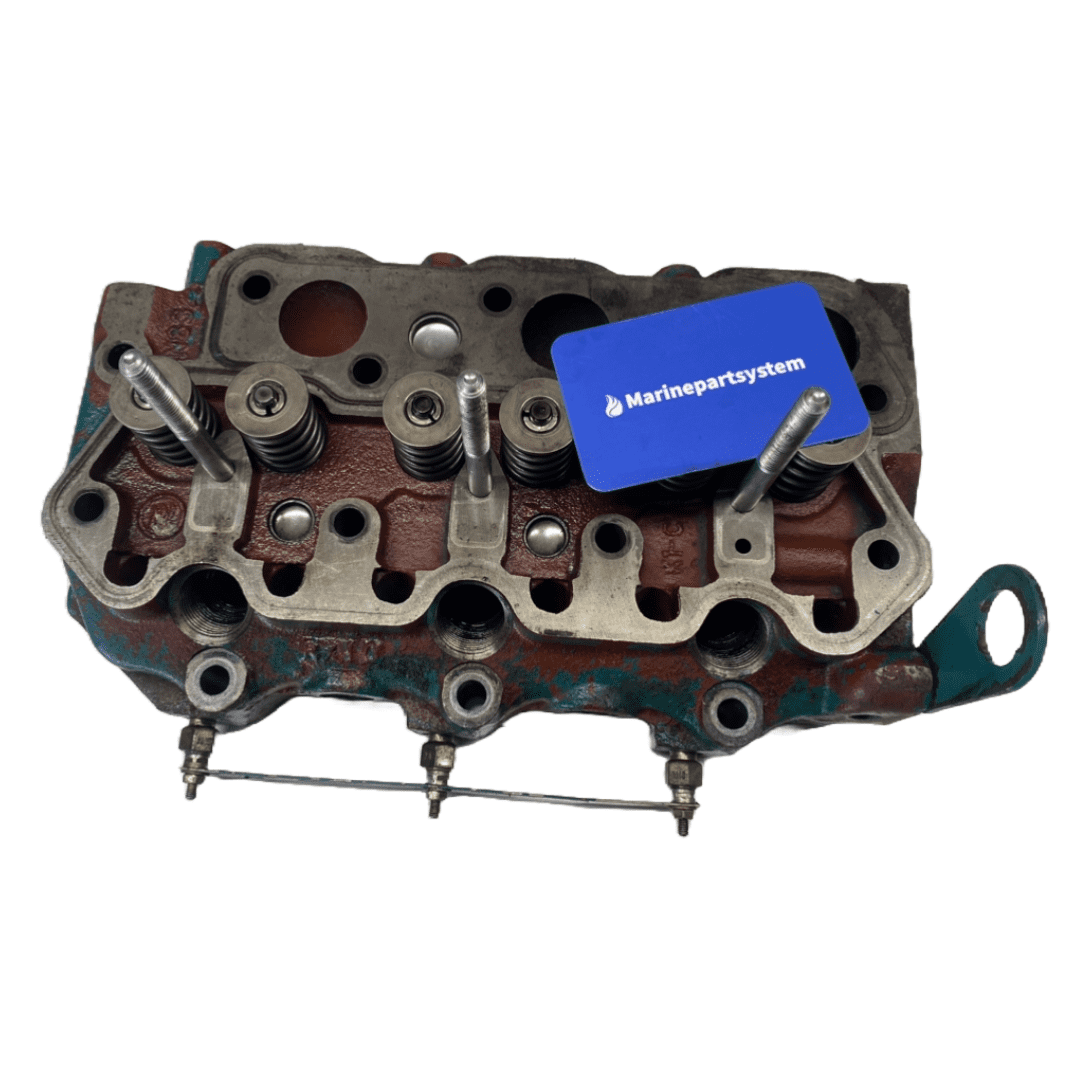
    • Replacing expensive components such as engines or cylinder heads
    • Maintaining older Volvo Penta engines
    • Reducing repair costs
    • Keeping engines operational without full rebuilds

    Available Volvo Penta Components

    • Engines and engine blocks
    • Drives and transmissions
    • Cooling system parts
    • Electrical components
    • Fuel system parts
    • Cylinder heads

    Quality and Inspection

    All parts are inspected before being listed. Refurbished parts undergo additional checks and preparation where needed, ensuring they are ready for use in marine applications.

    Recommended Parts

    Used Volvo Penta Parts

    Affordable original components

    Shop used parts

    Refurbished Volvo Penta Parts

    Checked and ready for installation

    Shop refurbished parts

    Frequently Asked Questions

    • Are used parts reliable?
      Yes, when properly inspected they provide a cost-effective solution.
    • What is better, used or refurbished?
      Refurbished parts are checked more thoroughly, but used parts offer the lowest cost.
    • Can I use these for engine rebuilds?
      Yes, especially for major components.

    Conclusion

    Used and refurbished Volvo Penta parts offer a strong balance between cost and reliability. They are ideal for repairs, rebuilds and maintaining older engines without unnecessary expense.

    Browse the full range: used parts or refurbished parts .

  • How to Replace a Volvo Penta Saildrive Bellow

    How to Replace a Volvo Penta Saildrive Bellow

    How to Replace a Volvo Penta Saildrive Bellow: DIY Guide

    The Volvo Penta saildrive bellow is one of the most important rubber seals on a saildrive installation. It seals the opening between the saildrive and the hull. If the bellow fails, water can enter the boat quickly.

    Volvo Penta recommends replacing the saildrive bellow every 7 years. Even if the rubber still looks fine from the outside, age, salt water, oil, pressure and engine movement can weaken the material over time.

    Important:
    This job must be done with the boat out of the water. If you are not confident with supporting the engine, removing the saildrive or checking the shaft seals, use a marine mechanic.

    What You’ll Need

    • Socket set, screwdrivers and Allen key set
    • Torque wrench
    • Loctite or sealant where specified
    • Wooden blocks, jack or proper engine support
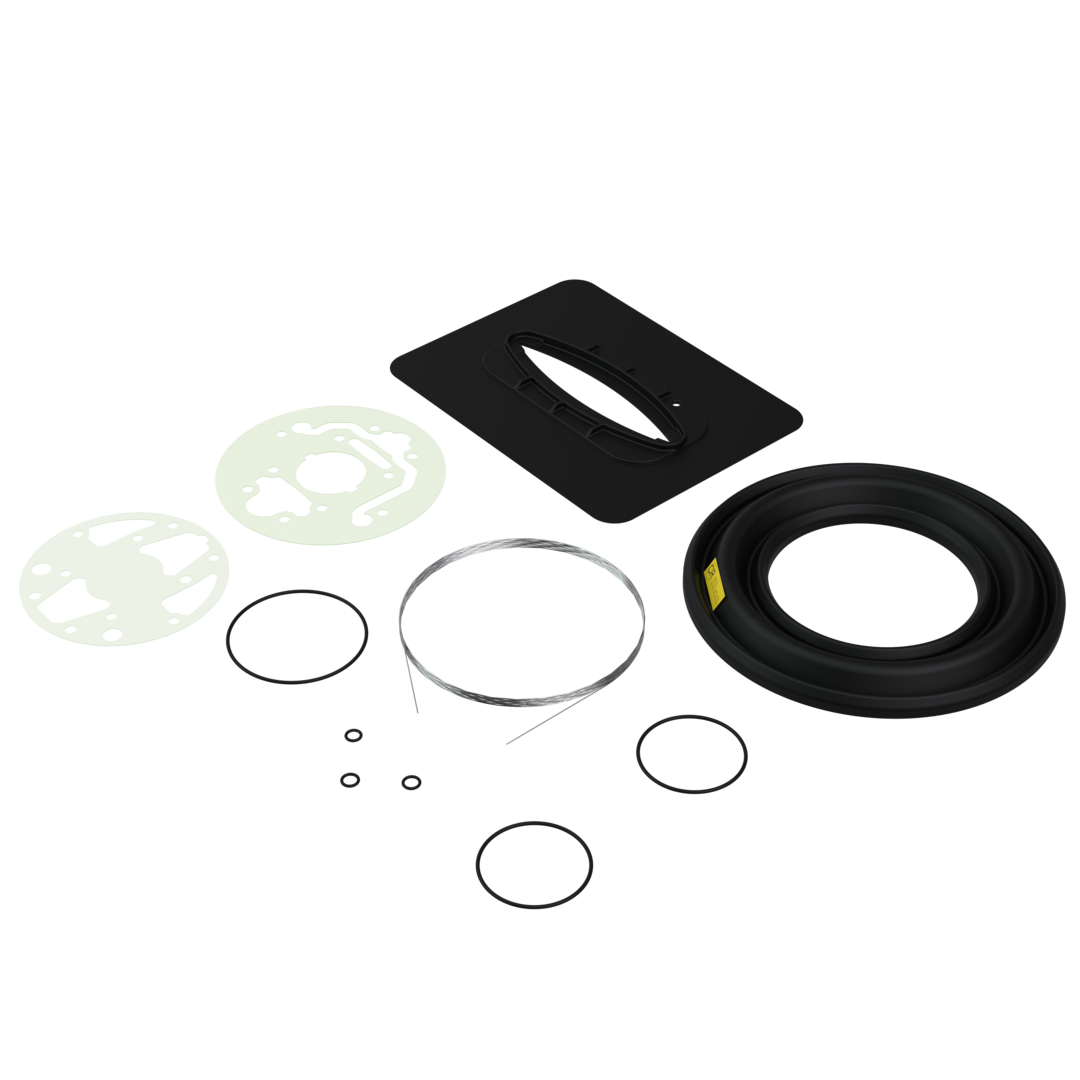
    • OEM or high-quality aftermarket Volvo Penta saildrive bellow kit
    • New saildrive oil if the oil is drained

    Parts You May Need for This Job

    Step-by-Step DIY Guide to Replacing a Volvo Penta Saildrive Bellow

    1. Drain the Saildrive Oil

    Drain oil from Volvo Penta Saildrive

    Drain the oil from the saildrive.

    Unscrew the dipstick on top of the saildrive to allow the oil to flow out faster.

    Check the oil condition. If the oil is milky, water has entered the saildrive and the propeller shaft seal should be replaced.

    Assess whether the saildrive can be removed with the lower shaft still installed. If there is not enough clearance, remove the shaft from the housing first.

    Important check:
    If the saildrive oil is milky, replace the propeller shaft seal. If the shaft has a worn line or groove where the seal runs, install a Speedi Sleeve before reassembly.

    2. Remove the Lower Shaft if Needed

    If the saildrive cannot be removed with the lower shaft installed, remove the shaft from the housing. First remove the anode, then unscrew the two Allen bolts from the bearing housing.

    Gently tap the bearing housing back and forth to create some space. Use a screwdriver carefully if needed, but do not use excessive force. Avoid damaging the aluminium housing or sealing surfaces.

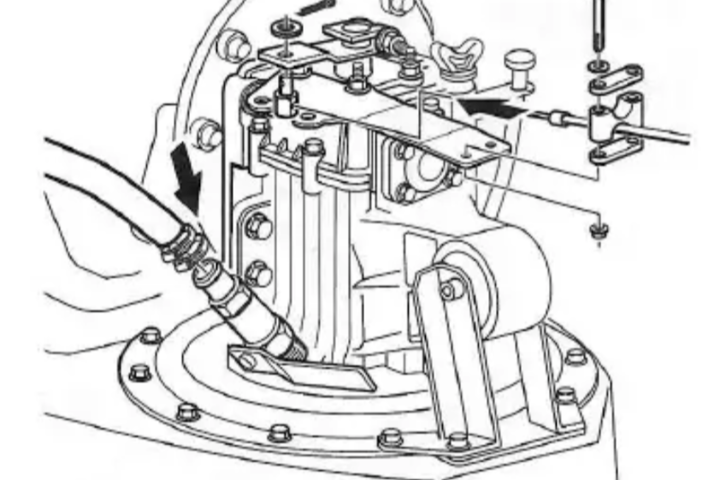
    3. Detach Exhaust Hose, Cables and Hoses

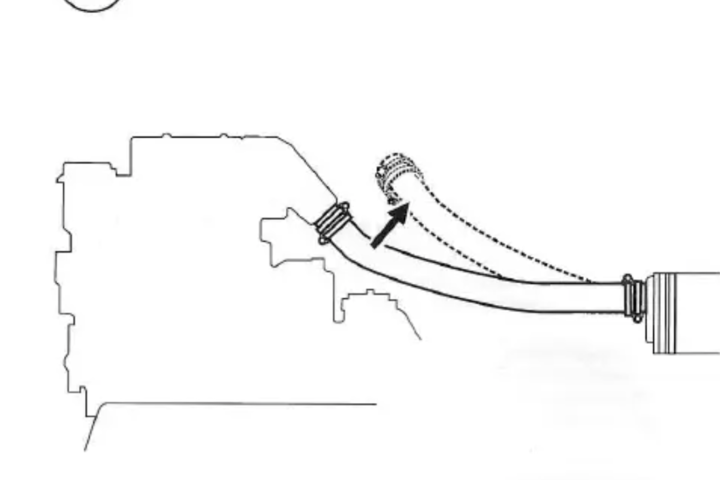
    Detach exhaust hose and cables from Volvo Penta Saildrive

    Detach the exhaust hose and set it aside.

    Disconnect or move any cables and hoses that may obstruct removal of the saildrive or prevent the engine from moving forward.

    Check if your cables and hoses are long enough to allow the engine to move forward by a few centimeters. If not, disconnect them first.

    4. Check the Correct Saildrive Diagram

    Volvo Penta Saildrive model diagram

    Use the correct diagram for your saildrive model. The procedure differs slightly between 110S, 120S, 130S, 150S and MS25 saildrives.

    Before disassembly, take photos of your own setup. This makes reassembly much easier.

    5. Disconnect Shift Cables and Cooling Water Hose

    Disconnect shift cables and cooling water hose Volvo Penta Saildrive

    Disconnect the shift cables and cooling water hose as shown for your specific saildrive model.

    Make sure nothing is still attached that can be pulled tight when the engine or saildrive is moved.

    6. Loosen Engine Mounts and Unbolt the Saildrive

    Loosen engine mounts and unbolt Saildrive

    Loosen the engine mounts and unbolt the saildrive.

    It is usually best to first remove the bolts that secure the saildrive to the engine, while leaving the flange bolts that attach the saildrive to its bed in place for stability during the first steps.

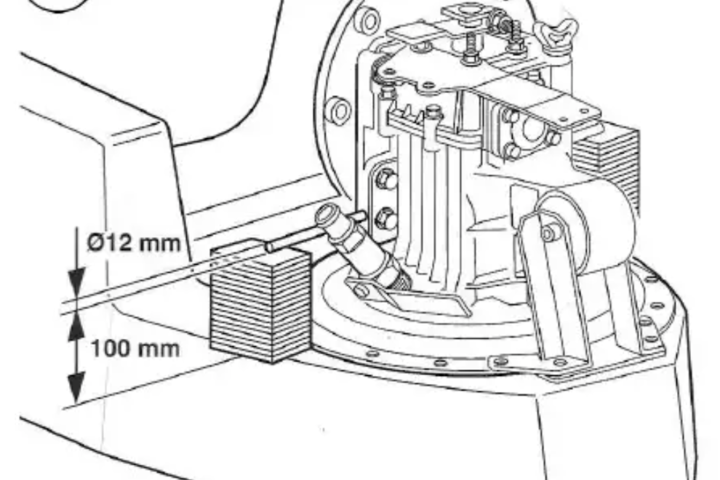
    7. Support the Engine and Move It Forward

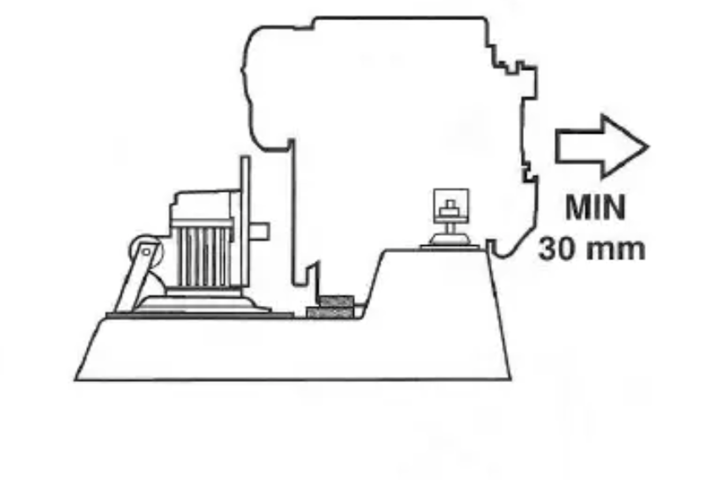
    Support engine and move forward for Saildrive removal

    Support the engine with wooden blocks, a jack or suitable lifting equipment.

    Move the engine forward as far as safely possible. The more space you create, the easier the saildrive removal and bellow replacement will be.

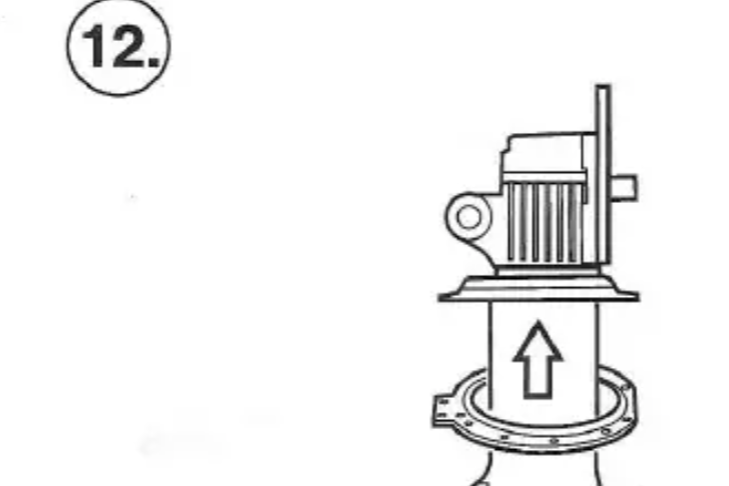
    8. Lift the Saildrive Upwards

    Lift Volvo Penta Saildrive upward

    Now remove the remaining bolts and lift the saildrive upwards.

    This is easiest and safest with two people. Do not let the saildrive hang on the bellow or on connected parts.

    9. Undo the Bolts

    Undo Volvo Penta Saildrive bolts

    Undo the bolts carefully and keep all parts organised.

    Take photos during disassembly so you can reinstall the parts in the same order.

    10A. For 110S and 120S-A Saildrives

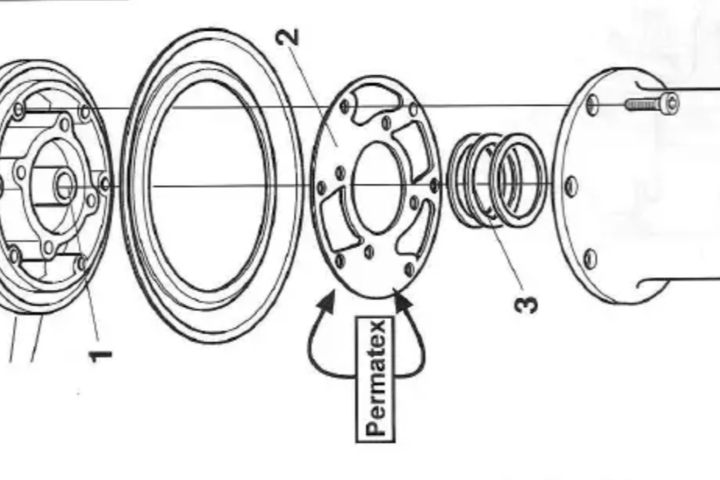
    Volvo Penta 110S and 120S-A Saildrive bellow removal

    For the 110S and 120S-A, remove the tailpiece after the bolts are removed. You can then remove the old bellow.

    Be careful not to lose the three shims.

    Clean the gasket and bellow surfaces thoroughly.

    Install the gasket in the same orientation as before. Do not reverse it.

    Use Permatex when installing the gasket.

    Mount the bellow with the year code facing the saildrive seal.

    10B. For 120S-B, 120S-C, 120S-D and MS25 Saildrives

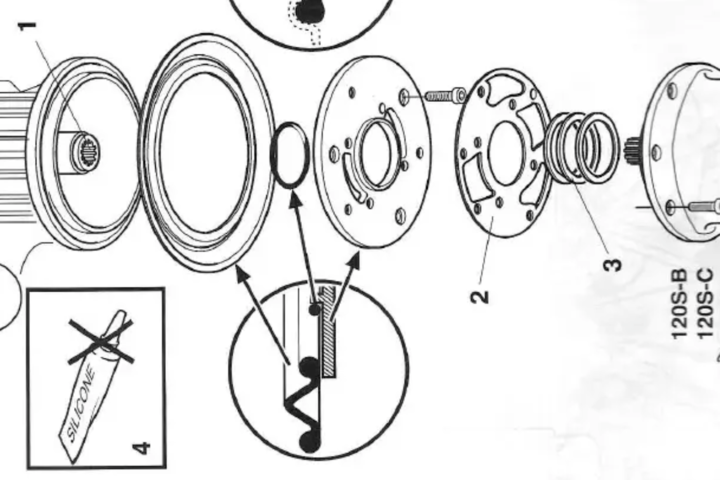
    Volvo Penta 120S-B 120S-C 120S-D MS25 bellow replacement

    After removing the tailpiece, unscrew the two Allen bolts and remove the intermediate plate.

    Note exactly how everything is disassembled. It must be reassembled in the same way with the new materials from the kit.

    Clean the gasket and bellow surfaces thoroughly.

    Install the gasket in the same orientation as before. Do not reverse it.

    Do not use Permatex or similar products on these models.

    Mount the bellow with the year code facing the saildrive seal.

    10C. For 130S and 150S Saildrives

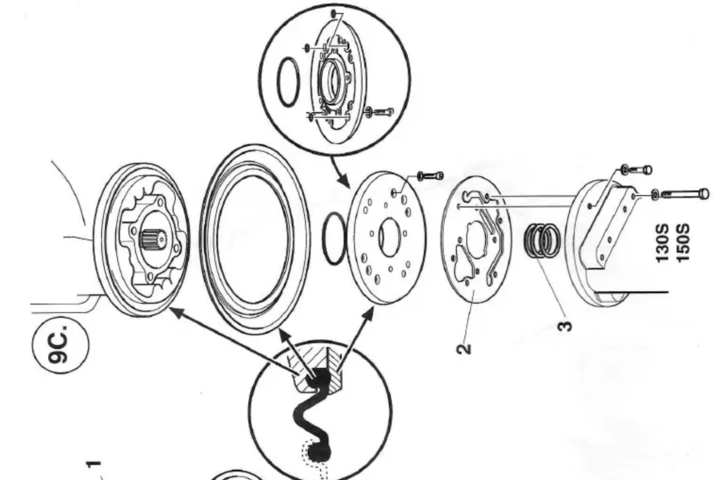
    Volvo Penta 130S and 150S Saildrive bellow replacement

    After removing the tailpiece, unscrew the two Allen bolts and remove the intermediate plate.

    Keep track of the disassembly order so everything can be reassembled correctly with the new kit materials.

    Clean the gasket and bellow surfaces thoroughly.

    Install the gasket in the same orientation as before. Do not reverse it.

    Do not use Permatex or similar products on these models.

    Mount the bellow with the year code facing the saildrive seal.

    11. Reassemble the Gasket and O-Rings

    Reassemble Volvo Penta Saildrive gasket and O-rings

    Reassemble everything carefully.

    Pay close attention to how the gasket and O-rings were originally placed. Reinstall them in the exact same orientation and make sure they are not twisted or reversed.

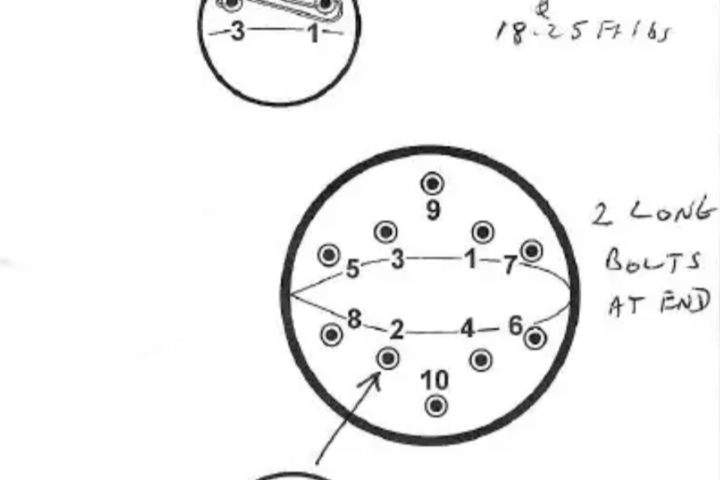
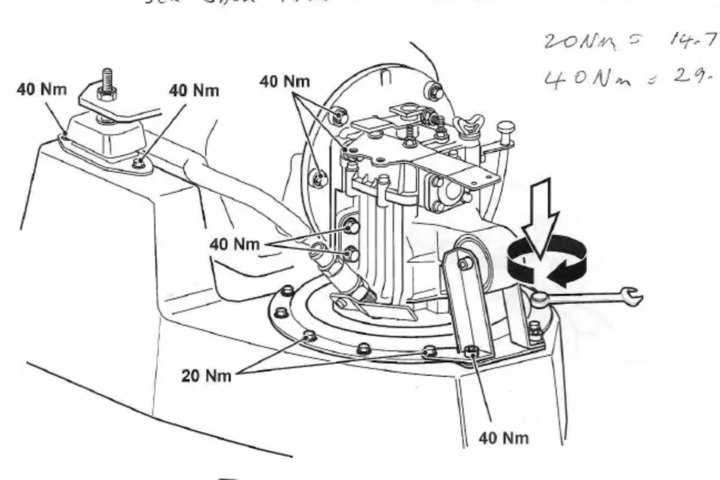
    12. Tighten the Bolts in the Correct Order

    Volvo Penta Saildrive bolt tightening order

    Tighten the bolts from the inside out.

    Use the correct torque values from the Volvo Penta workshop manual for your specific saildrive model.

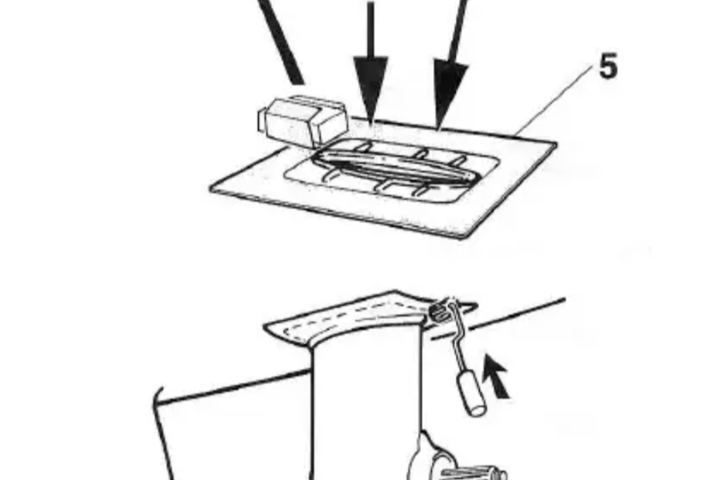
    13. Reinstall the Saildrive Plate

    Reinstall Volvo Penta Saildrive plate

    If you have not already reinstalled the saildrive plate, do so now.

    You can position it around the tail section and slide it back into place.

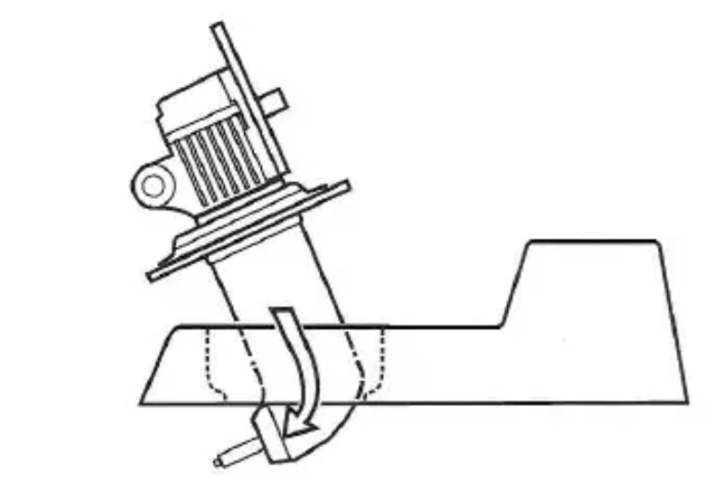
    14. Place the Saildrive Back Into the Hull Opening

    Place Volvo Penta Saildrive back into hull opening

    Place the saildrive back into the opening from which it was removed.

    Make sure it is properly aligned and securely positioned before tightening everything.

    15. Align the Holes Correctly

    Align holes when reinstalling Volvo Penta Saildrive

    The image shows a setup that helps align the holes when reinstalling the saildrive.

    This can be tricky because the bellow can slip while positioning the saildrive.

    Another option is to work with two people: one person holds the saildrive from under the boat while the other tightens the bolts from inside.

    16. Grease the Shaft Before Assembly

    Grease Volvo Penta Saildrive shaft before assembly

    Once the saildrive is securely in place, apply grease to the shaft.

    This helps with smooth assembly and reduces wear during installation.

    17. Slide the Engine Back Into Position

    Slide engine back into position Volvo Penta Saildrive

    Slide the engine back into position.

    Rotate the crankshaft slightly back and forth to help the saildrive align with the damper plate splines. This can take some patience.

    Once aligned, tighten all bolts securely to the correct specification.

    18. Reconnect Hoses, Cables and Exhaust

    Reconnect shift cables electrical cables cooling water hoses and exhaust hoses

    Reconnect the shift cables, electrical cables, cooling water hoses and exhaust hose.

    Make sure everything is securely connected, properly routed and not under tension.

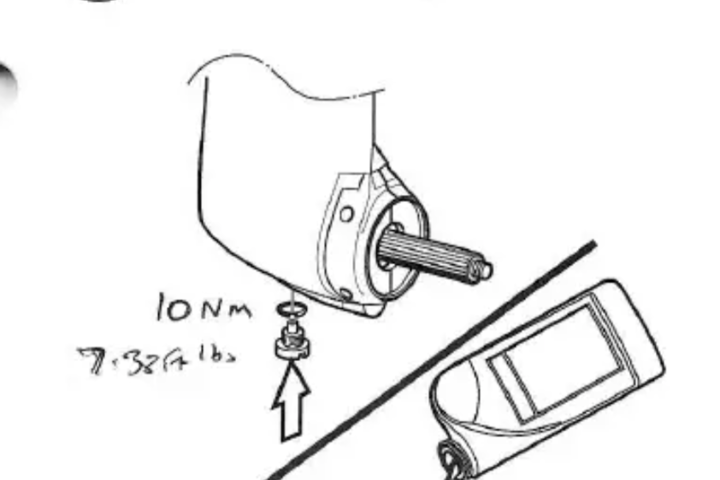
    19. Reinstall the Shaft or Drain Plug

    Reinstall propeller shaft or drain plug Volvo Penta Saildrive

    Reinstall the shaft or the drain plug, depending on what you removed.

    If you removed the shaft, it is advisable to replace the seals in and around the bearing housing.

    Inspect the shaft for wear, especially where the seals run. If there is a groove, use a Speedi Sleeve.

    20. Fill the Saildrive with the Correct Oil

    Fill Volvo Penta Saildrive with correct oil

    Fill the saildrive with the correct oil.

    Use the oil type and quantity specified for your saildrive model. After filling, check the oil level again after a short period.

    21. Reinstall the Final Rubber Part

    Final Volvo Penta Saildrive rubber part installation

    Reinstall the final rubber part if you removed it or if it is in poor condition.

    Check that everything is seated correctly before launching the boat.

    Final check before launching:
    Check the bellow position, clamp position, saildrive oil level, shaft seal area, shift operation, hoses, cables and all fasteners. After launching, inspect the saildrive area immediately for leaks.

    OEM or Aftermarket Bellow Kit?

    You can use either the original Volvo Penta saildrive bellow kit or a high-quality aftermarket kit. The OEM kit is the original Volvo Penta option. The aftermarket kit is a more affordable alternative for the same saildrive application.

    Always check the saildrive model and part number before ordering. If you are unsure, contact us with your engine model, saildrive model or old part number.

    Need the Correct Saildrive Bellow Kit?

    We supply OEM and high-quality aftermarket Volvo Penta saildrive bellow kits, plus propeller shaft seals and Speedi Sleeves for common Volvo Penta saildrives.

    View OEM Kit View Aftermarket Kit

    FAQs

    How often should a Volvo Penta saildrive bellow be replaced?

    Volvo Penta recommends replacing the saildrive bellow every 7 years.

    Can I replace the saildrive bellow myself?

    Yes, if you have the correct tools, enough technical experience and a safe way to support or move the engine. If you are not sure, use a marine mechanic.

    Should I replace the propeller shaft seal at the same time?

    If the saildrive oil is milky, if water has entered the oil, or if the seal is old, the propeller shaft seal should be replaced.

    When do I need a Speedi Sleeve?

    You need a Speedi Sleeve if the propeller shaft has a worn groove where the shaft seal runs. A new seal may not seal properly on a damaged shaft surface.

    Can the bellow be replaced while the boat is in the water?

    No. The boat must be out of the water before replacing the saildrive bellow.

  • Aftermarket vs. OE Parts

    Aftermarket vs. OE Parts

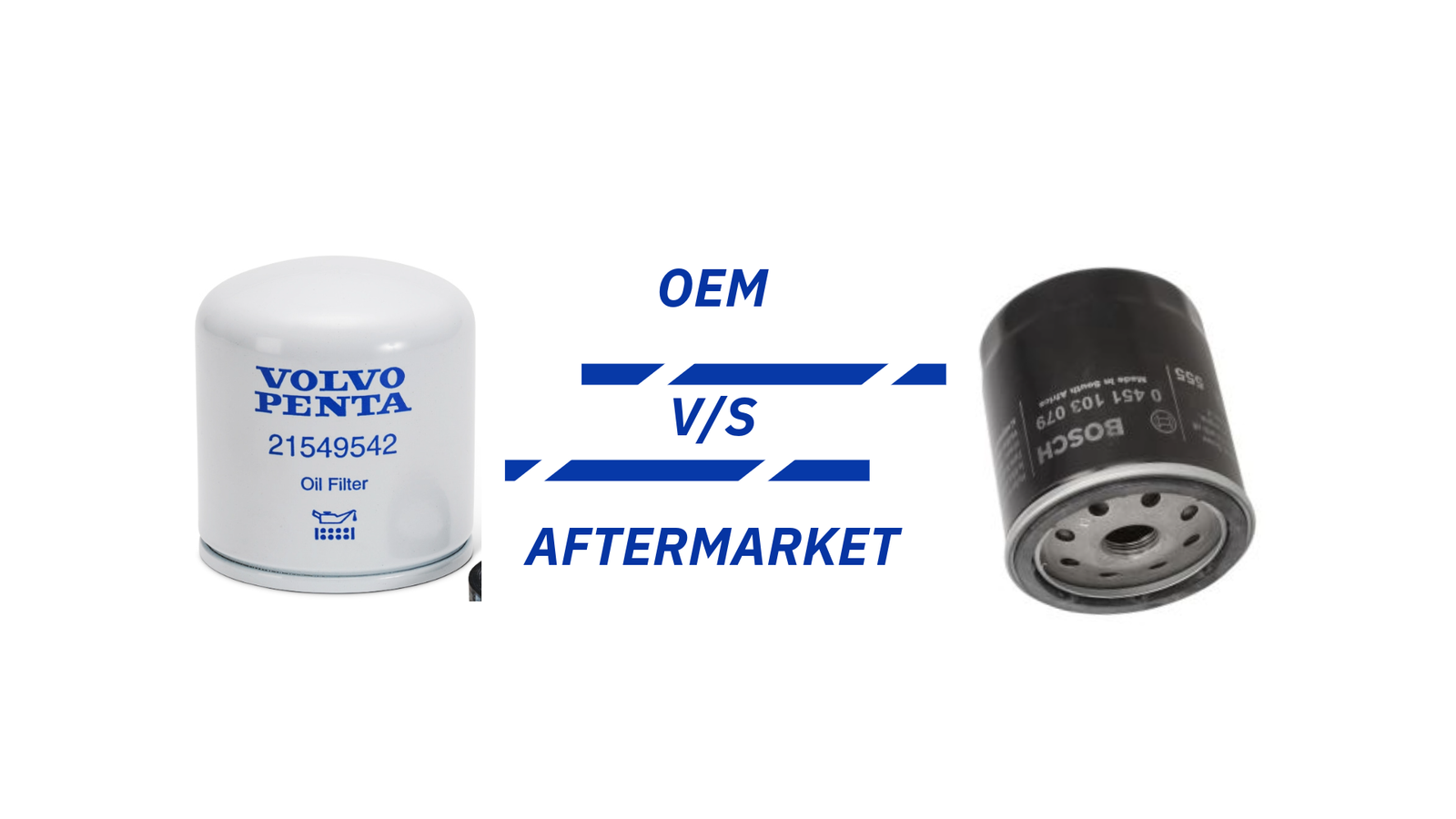
    OEM VS AFTERMARKET

    Aftermarket vs. OE Parts: Which is the Best Choice for Your Boat Engine?

    When it comes to maintaining or repairing your boat engine, one of the biggest decisions you’ll face is whether to choose Original Equipment (OE) parts or aftermarket parts. Both options have advantages, but understanding their differences will help you make the best choice for your engine—and your budget.

    At MPS, we specialize in high-quality aftermarket parts that provide excellent performance at a fraction of the cost of OE parts. In this guide, we’ll break down the pros and cons of each option and explain why aftermarket parts are often the smarter choice.


    What Are OE Parts?

    OE (Original Equipment) parts are made by the same company that manufactured your boat engine. These are the official parts designed specifically for your engine model, carrying brand names such as Volvo Penta, Perkins, and Yanmar.

    Advantages of OE Parts:

    • Guaranteed Fit & Compatibility – OE parts are built precisely for your engine model.
    • Manufacturer Reliability – Since they come directly from the engine manufacturer, they meet strict quality standards.

    Disadvantages of OE Parts:

    • Higher Cost – OE parts are significantly more expensive, often priced 40-60% higher than aftermarket alternatives.
    • Limited Availability – Some OE parts for older engines become difficult—or impossible—to find.
    • Premium Branding Cost – Many OE parts are produced by the same manufacturers who make aftermarket parts, but they carry a higher price simply because of the branding.

    What Are Aftermarket Parts?

    Aftermarket parts are made by third-party manufacturers and are designed to function exactly like OE parts—sometimes even exceeding OE standards. The key difference? They don’t carry the original engine manufacturer’s logo, allowing for a more competitive price.

    At MPS, we offer two types of aftermarket parts:

    • Branded Aftermarket Parts – Manufactured by reputable brands like Bosch, Gates, and Perkins, but compatible with multiple engine brands, such as Volvo Penta.
    • Unbranded Aftermarket Parts – Specifically manufactured for MPS to meet or exceed OE quality standards, offering superior value for money.

    Why Aftermarket Parts Are the Better Choice

    Significant Cost Savings Without Sacrificing Quality

    Aftermarket parts typically cost 40-60% less than OE parts, making them the preferred choice for budget-conscious boat owners. At MPS, we rigorously test our parts to ensure they meet the highest quality standards—so you save money without compromising performance.

    Proven Reliability & Performance

    Many aftermarket parts come from the same manufacturers that supply OE brands, meaning the quality is virtually identical. Some third-party manufacturers even enhance OE designs, making their aftermarket versions more durable and efficient.

    Availability for Older Engines

    If you own an older boat, finding OE parts can be challenging as manufacturers discontinue production. Aftermarket parts ensure that you can keep your vessel running smoothly for years to come.


    Common Myths About Aftermarket Parts

    “Aftermarket parts aren’t as reliable as OE parts.”

    • Many aftermarket parts meet or exceed OE specifications. In fact, some aftermarket manufacturers produce parts for OE brands, meaning the only difference is the label and price.
    • At MPS, we offer a 12-month warranty on all our aftermarket parts, so you can buy with confidence.

    “Using aftermarket parts voids my engine warranty.”

    • If your engine is still under warranty, check the manufacturer’s terms. In many cases, using high-quality aftermarket parts does not void the warranty—especially if they meet OE standards.
    • Always confirm with your manufacturer before replacing parts during the warranty period.

    When Should You Choose OE Parts?

    While aftermarket parts are the best choice in most cases, there are a few situations where OE parts might be preferable:

    Specialized or Proprietary Parts – If your engine requires highly specialized parts (e.g., electronic control modules), OE parts may be the safer choice.

    Warranty Considerations – If your engine is under its initial warranty, and using OE parts is required for coverage, it makes sense to stick with OE for now.

    Personal Preference – Some boat owners simply feel more comfortable using manufacturer-branded parts. If that peace of mind is worth the extra cost to you, OE might be the right choice.


    Conclusion: Aftermarket Parts Offer the Best Balance of Quality and Cost

    For most boat owners, aftermarket parts are the smartest choice—offering a balance of high performance, durability, and cost savings. At MPS, we provide a wide range of aftermarket parts designed to keep your boat engine running smoothly without breaking the bank.

    Whether you need a gasket set, raw water pump, or a complete overhaul kit, we’ve got you covered.

    By choosing aftermarket parts from MPS, you’ll save money, enjoy high-quality components, and keep your boat in top condition for years to come. ????⚙️

  • Self Maintenance Guide for Your Volvo Penta Inboard Engine

    Self Maintenance Guide for Your Volvo Penta Inboard Engine

    Owning a Volvo Penta engine comes with the pride of having a powerful piece of machinery at your disposal. To keep this technological gem in top condition, regular maintenance is of the utmost importance. In this blog post, we will provide you with essential tips for maintaining your Volvo Penta engine so that you can take control of its optimal performance.

    The Importance of Volvo Penta Maintenance

    Regularly caring for your Volvo Penta engine brings numerous benefits. Here’s why maintenance is crucial:

    1. Improved Performance: Regular maintenance ensures that your engine performs at its best, with improved acceleration, fuel efficiency, and reduced chances of breakdowns.
    2. Extended Lifespan: By attending to essential components, fluids, and filters, you can significantly prolong the life of your engine and minimize costly repairs.
    3. Reliability and Safety: A well-maintained engine guarantees reliability and safety, providing peace of mind during critical moments on the water.

    Essential Maintenance for Your Volvo Penta Engine

    Let’s now delve into the key maintenance tasks you can perform yourself to keep your Volvo Penta engine in optimal condition:

    1. Engine Oil and Filters: Regularly replacing engine oil and filters is crucial to ensure proper lubrication and protection. Monitor oil levels continuously and follow the manufacturer’s guidelines regarding oil type and replacement intervals. Don’t forget to replace oil filters.
    2. Cooling System: To prevent overheating, it’s essential that your engine’s cooling system works perfectly. Keep a close eye on coolant levels and check for possible leaks. Clean the seawater inlet if necessary and inspect hoses and clamps for wear.
    3. Fuel System: An efficient fuel system is crucial for optimal performance. Regularly inspect the fuel supply, fuel filters, and injectors. Replace fuel filters when needed and ensure there are no blockages impeding fuel flow.
    4. Electrical System: Your engine’s electrical system is its backbone. Periodically assess the battery’s condition, maintain clean and secure connections, and check spark plugs, replacing them as necessary.
    5. Propulsion System: Examine the components of the propulsion system, including the propeller shaft, gearbox, and drive shaft, for signs of wear, damage, or leaks. Lubricate the propeller shaft seals as needed and ensure proper alignment.
    6. Lubrication and Grease: Adequate lubrication of moving parts is vital. Use recommended lubricants and greases at specified points, such as bearings and pivot points. Always follow the manufacturer’s recommendations for lubricant type and lubrication intervals.

    Remember to consult your Volvo Penta engine manual for comprehensive instructions and maintenance schedules. By adhering to regular maintenance and following the correct procedures, you can ensure that your Volvo Penta engine remains reliable and delivers peak performance.

    If you ever doubt your skills or encounter complex issues, it’s advisable to seek assistance from a certified Volvo Penta mechanic. Your engine’s health is worth receiving expert guidance when needed.

  • How to Replace an Impeller

    How to Replace an Impeller

    Replacing an impeller is a vital part of boat maintenance. Thankfully, it’s often straightforward.

    Why is an Impeller Important?

    The impeller, a flexible rubber component, circulates cooling water to prevent engine overheating. Regular checks and timely replacement are crucial to avoid engine damage.

    When Should You Replace It?

    Replace the impeller every year or after 100–200 operating hours, especially in salt or dirty water. Look for signs of wear like missing rubber pieces or swelling due to chemical reactions.

    Regular maintenance ensures safe and efficient engine performance!

    Common Impeller Issues

    • Worn Blades: Reduced water flow and inconsistent cooling.
    • Broken Impeller: Can cause serious engine damage due to blockages.
    • Incorrect Installation: Ensure the correct rotation direction.

    Regular maintenance is key to extending engine life and avoiding costly repairs!

    Step-by-Step Guide: Replacing an Impeller

    1. Close the Water Valve: Prevent water from entering the engine during replacement.
    2. Locate the Pump Housing: Usually at the front of the motor; follow cooling system hoses if needed.
    3. Open the Housing: Unscrew the cover, expect some water, and carefully remove the gasket.
    4. Remove the Old Impeller: Note the rotation direction and use a puller or pliers to avoid damage.
    5. Inspect for Debris: Remove rubber remnants to prevent clogs.
    6. Install the New Impeller: Lubricate with petroleum jelly, align properly, and grease the housing.
    7. Reassemble: Replace the gasket and screw the housing tightly.
    8. Test the System: Open the valve, start the engine, and check for water flow from the exhaust.

    Choosing the Right Impeller

    • Identify your pump’s brand and model number.
    • Select materials based on use:
    • Neoprene: For fresh or saltwater cooling.
    • Nitrile: For bilge pumps and oily or polluted water.
    • Polyurethane: For ballast pumps in intensive applications.

    Order genuine impellers from Marinepartsystem for quality and reliability. Contact us for expert advice!

  • Volvo Penta Parts: New, Refurbished, and Used – Why MarinePartSystem is the Best Choice

    Volvo Penta Parts: New, Refurbished, and Used – Why MarinePartSystem is the Best Choice

    Screenshot

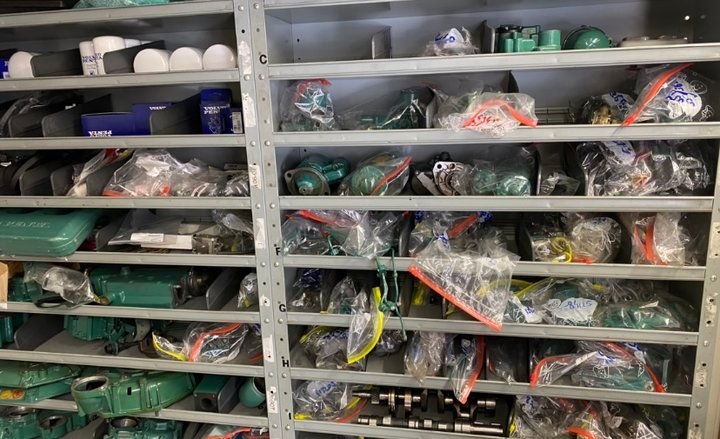
    Volvo Penta is globally recognized for its high-quality marine engines and propulsion systems. As a proud owner of a boat with a Volvo Penta engine, you know that the performance of your vessel depends on the quality of the parts you use. Whether you’re looking for new, refurbished, or used parts, MarinePartSystem is your one-stop-shop for everything related to Volvo Penta. In this article, we will explore the benefits of each type of part and demonstrate why MarinePartSystem is the best choice for your needs.

    New Volvo Penta Parts

    New parts are often the first choice for boat owners who want maximum reliability and performance. New Volvo Penta parts come directly from the manufacturer and meet the highest quality standards. Here are some reasons why you should consider buying new parts from MarinePartSystem:

    • Quality and Reliability: New parts offer optimal performance and reliability, allowing you to take to the water with peace of mind.
    • Warranty: Most new parts come with a warranty, ensuring you’re covered in case of unexpected issues.

    Refurbished Volvo Penta Parts

    Refurbished/used parts are an excellent choice for boat owners looking to save costs without compromising on quality. At MarinePartSystem, refurbished/used parts are thoroughly inspected, repaired, and tested before being sold. Here are some benefits of refurbished/used parts:

    • Cost Savings: Refurbished parts are often significantly cheaper than new ones, without sacrificing quality or performance.
    • Environmentally Friendly: By using refurbished parts, you contribute to a more sustainable shipping industry by promoting recycling and reuse.

    Used Volvo Penta Parts

    • Used parts can be a budget-friendly option for boat owners with limited funds. At MarinePartSystem, used parts are carefully inspected and selected to ensure they can still deliver reliable performance. Benefits of used parts include:
    • Availability: For older models or rare parts, used parts may be the only practical choice.

    Why MarinePartSystem?

    MarinePartSystem is the go-to destination for all Volvo Penta parts, regardless of your budget or needs. Here are some reasons why you should choose us:

    • Expertise: Our knowledgeable staff has in-depth knowledge of Volvo Penta engines and can assist you in finding the right parts.
    • Quality and Reliability: We guarantee the quality of our parts, whether they are new, refurbished, or used.
    • Affordability: Our competitive prices ensure you always get value for your money.
    • Environmental Awareness: At MarinePartSystem, we strive for sustainability by promoting refurbished and used parts.

    Conclusion

    Whether you’re in search of new, refurbished, or used Volvo Penta parts, MarinePartSystem has you covered. We understand that every boat owner has unique needs and aim to provide high-quality parts that meet those needs. Trust us for the best quality, expertise, and prices in the industry, so you can confidently hit the water knowing your engine is performing at its best.

    Contact MarinePartSystem today and discover how we can assist you with all your Volvo Penta parts needs.